Foto: Sosial Media


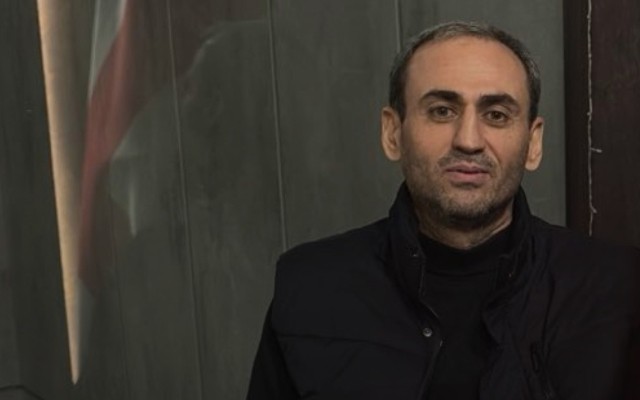
On March 6, the court reviewed the cassation appeals of Radio Free Europe/Radio Liberty journalist and economist Farid Mehralizade and Mahammad Kekalov, who were arrested in connection with the “Abzas Media case.”
At the hearing at the Supreme Court, presided over by Judge Zaur Huseynov, Farid Mehralizade’s lawyers addressed the court.
Lawyer Khalig Huseynov said that there was no evidence in the investigation materials against Farid Mehralizade.
“They did not bother to produce even fabricated evidence against Farid Mehralizade, either during the preliminary investigation or at trial. If you look carefully at the case materials, you will see that not a single word was written about him before his arrest. Only on May 30 did they somehow decide that Farid had to be arrested. He has repeatedly said that he has no connection to Abzas Media. He even stressed that if that were the case, he would be proud of it. But there is no evidence of any such connection.”
The lawyer recalled that Mehralizade’s car had been confiscated, even though he had worked at a bank and earned a sufficient salary.
Another lawyer, Javad Javadov, also addressed the court, saying that although Mahammad Kekalov had repeatedly stated that Farid Mehralizade had no connection to Abzas Media, the investigation had ignored this.
The lawyers said that Farid Mehralizade was innocent and asked the judicial panel to terminate the case on exonerating grounds.
Farid Mehralizade then took the floor and said that there was no evidence in the criminal case linking him to Abzas Media. He stressed that he had given interviews to the publication only twice as an expert and had never received a salary from it.
“On the evening of the day I was arrested, I was supposed to appear as a guest expert on Public Television. Does that mean I am also considered an employee of ITV? What sane media outlet would hire someone and pay them a salary just because they were going to interview them twice?
Although Mahammad Kekalov withdrew his initial statements in court, this was not taken into account, and his original testimony was used as the basis. In that testimony, Kekalov said that I had no connection to Abzas Media. So the court believes what Mahammad said in his statement about the other guys, but not what he said about me,” Mehralizade said.
The economist added that he believes he was arrested because of the economic articles he wrote for Radio Free Europe/Radio Liberty.
“I was engaged in economic journalism at Radio Free Europe/Radio Liberty. When the wave of arrests against independent media began in 2023, the first target was Abzas Media. At that time, everyone who was detained was added to the ‘Abzas Media case’ — Anar Mammadli, Imran Aliyev, and others. They included me in this case for the same reason. Later, the cases of the others were separated, but I remained. When I was arrested, unlike the others, a black hood was put over my head and I was abducted. When I was taken to the Baku City Main Police Department, even the officers and investigators there could not understand why I had been arrested.”
According to the journalist, it is also absurd to accuse a person who travels abroad of bringing money into the country through smuggling.
The hearing will continue on March 13. Other individuals arrested in connection with the case are also expected to take part in the next session.
***
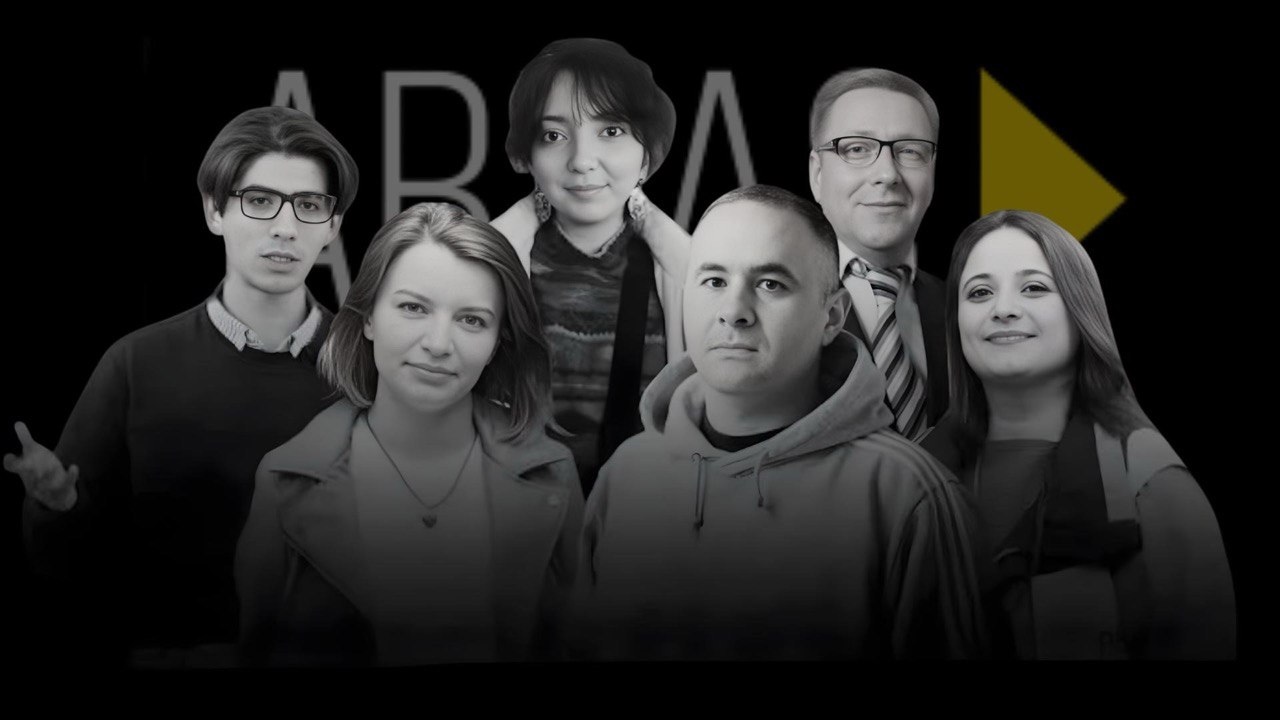
Since November 2023, Abzas Media director Ulvi Hasanli, editor-in-chief Sevinj Vagifgizi, project coordinator Mahammad Kekalov, investigative journalist Hafiz Babali, reporters Elnara Gasimova and Nargiz Absalamova, and RFE/RL contributor and economist Farid Mehralizade have been in custody.
They are accused of smuggling and serious financial crimes, allegations they and their supporters, both in Azerbaijan and internationally, reject as politically motivated and linked to their journalistic work.
The pre-trial and trial phases together have lasted nearly two years.
On June 20, the Baku Serious Crimes Court sentenced Hasanli, Vagifgizi, Babali and Mehralizade to nine years in prison; Absalamova and Gasimova to eight years; and Kekalov to seven years and six months. On 9 September, the Baku Court of Appeal upheld the verdict.